

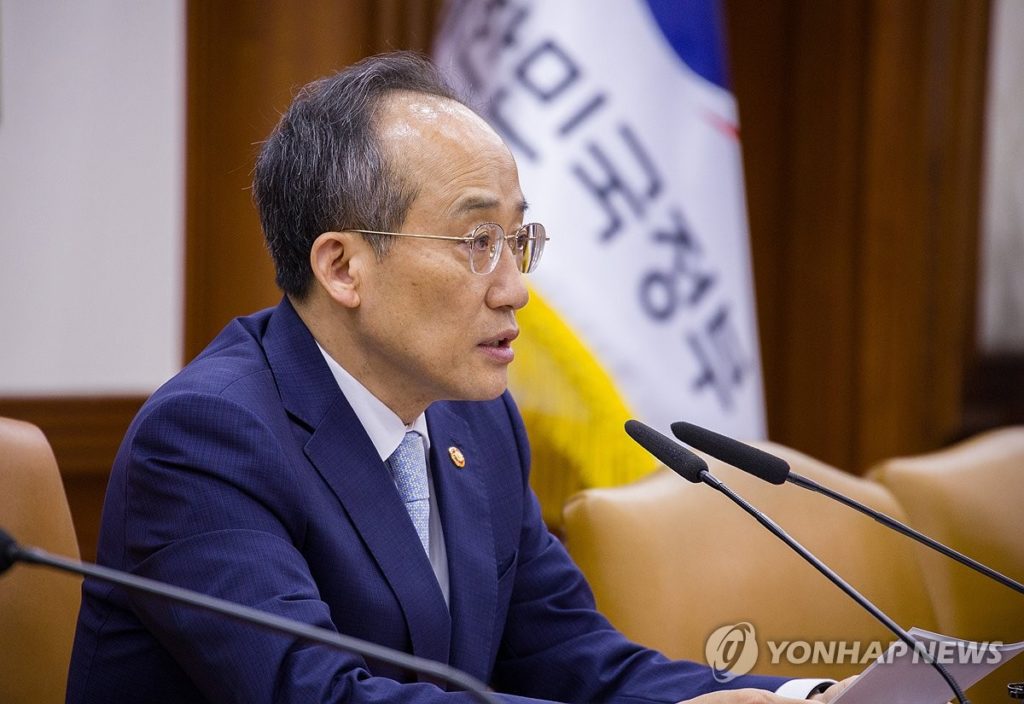
South Korea will extend the tax reduction on fuel purchases until the end of 2023 due to the fear of a possible surge in inflation resulting from the war between Israel and the Palestinian militant group, Hamas, according to Finance Minister Choo Kyung-ho.
The government had initially implemented a 25 percent discount on gasoline and a 37 percent discount on diesel that was set to end in October. Choo stated that the government is taking necessary steps to maintain prices and the public’s livelihoods by managing energy and food prices.
Oil prices rose last Friday due to the heightened tension in the Middle East. West Texas Intermediate crude futures jumped 5.8 percent and Brent crude futures with a December expiry surged 5.7 percent, both of which were the highest daily gains in more than six months.
Choo added that, so far, South Korea has not suffered any major disruptions in energy supplies and no major issues have been reported from domestic businesses in the Middle East. However, the conflict could escalate and affect energy production and supplies, as the Middle East accounts for more than one-third of global seaborne oil trade.
South Korea is heavily reliant on imports for its energy needs, with 67 percent of its crude oil purchases and 37 percent of its total gas deals coming from the Middle East. The government is monitoring the financial market and the real economy closely and will respond to any cases in accordance with its scenario-based plans.
Consumer prices in September reported the highest on-year increase of 3.7 percent in five months, and the government predicted that price pressures would start to ease in October. This year’s target is set at 3.3 percent, while the figure during the first nine months of 2023 came to 3.7 percent.