

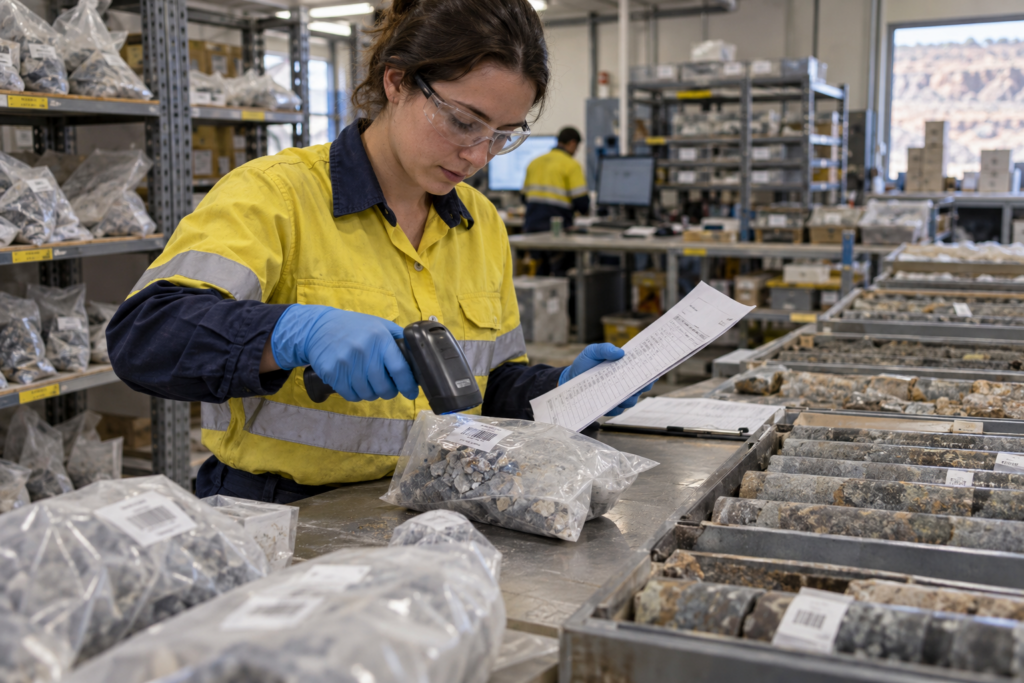
Battery buyers, carmakers and lenders increasingly need more than the country of origin for lithium and nickel. They want a verifiable history of the material: the mine, geographic path, changes in ownership, processing steps and points where batches were mixed. Traceability is becoming infrastructure for access to regulated markets, financing and long-term contracts.
An OECD study based on a survey of 90 companies and field research in Argentina, Chile, Indonesia and the Philippines found that three quarters of respondents plan to increase traceability investment. Customer demand, brand protection and regulation are the leading drivers.
Traceability is not the same as transparency. A traceability system verifies origin and movement inside the supply chain. Transparency determines which information is disclosed, and to whom. A company may need detailed internal records while protecting commercially sensitive routes, volumes and counterparties.
Market access is replacing voluntary reporting
The OECD found that 93% of surveyed companies collect country-of-origin data and 82% record mine location. Information on physical transformation, taxation and beneficial ownership is much less consistent. Those gaps matter when ore becomes concentrate, batches are blended and the material passes through several traders and processors.
EU regulation is adding a contractual deadline. From 18 February 2027, batteries for light means of transport, industrial batteries above 2 kWh and electric-vehicle batteries placed on the EU market must have an electronic passport. It will be linked to an individual battery through a QR code and unique identifier, and the responsible operator must keep the information accurate and current.
Over time, the passport is intended to bring together carbon-footprint, recycled-content and due-diligence information. That makes data quality part of the commercial specification of the product. Suppliers unable to verify origin and processing may not lose every buyer, but they risk exclusion from the most demanding markets.
Lithium and nickel require different controls
South American brine projects are large and relatively concentrated, which can make it easier to connect material to a mine at the start of the lithium chain. Processing is much more concentrated downstream. The OECD notes that China accounts for about 70% of global lithium processing, making continuity through several chemical transformations a critical issue.
Southeast Asian nickel chains present a different problem. In Indonesia and the Philippines, material can move through multiple hauliers, storage points, private ports and processing facilities. Ore is blended, while ownership links between miners, traders and smelters can be complex. Indonesia’s SIMBARA system provides a public digital foundation, but commercial buyers still need interoperable shipment-level data.
A single technology will not solve both cases. Lithium systems need a strong link between extraction and chemical processing. Nickel systems need tighter control of blending, intermediate movements and ownership transfers.
The largest costs sit upstream
More than half of OECD respondents cite implementation cost and a lack of interoperability as major obstacles. The heaviest burden falls on participants that create primary data: miners, traders, concentrators and smelters. They need tagging equipment, connectivity, software, access controls and independent verification.
Small and artisanal producers face the largest risk of exclusion. They may lack reliable internet access, capital, insurance and specialist staff. If a buyer simply demands a complete digital history without supporting data collection, the result may be supplier removal rather than better practice.
The benefits and costs also accrue to different companies. Buyers, lenders and battery manufacturers receive lower regulatory and reputational risk, while mines often pay for the new system. Long-term contracts, verified-material premiums or shared financing can improve the alignment of incentives.
A digital record still needs physical verification
A database entry proves that information was recorded, not that it was true. Reliable traceability requires controls where the material changes owner, form or composition. Sampling, weighbridge records, processor audits and reconciliation of physical volumes matter as much as software standards.
Access also needs to be tiered. Consumers can see selected product information, regulators and auditors can receive more detailed records, and commercially sensitive data can remain protected. Traceability fails when confidentiality concerns cause suppliers to withhold the information needed for verification.
Risk-based systems can avoid unnecessary cost
The OECD recommends matching the depth of traceability to risk and feasibility. When tracking every unit is too expensive, companies can begin with supplier mapping, chain-of-custody records, trade analysis and control at key nodes such as concentrators, smelters and export terminals.
That proportional approach matters as investment weakens. The International Energy Agency reports that battery-metal capital expenditure fell by more than 20% in 2025, while exploration spending for lithium and nickel declined by about 45%. New data requirements should improve supply-chain resilience without making credible projects even harder to finance.