

The development of the hydropower sector is being given much consideration due to its efficiency and cost-effectiveness. It is estimated that Uzbekistan has the potential to generate 8,000 megawatts of electricity through hydropower, although only 2.2 thousand megawatts are currently being used. The goal is to increase the total capacity to 6,000 megawatts by 2030.
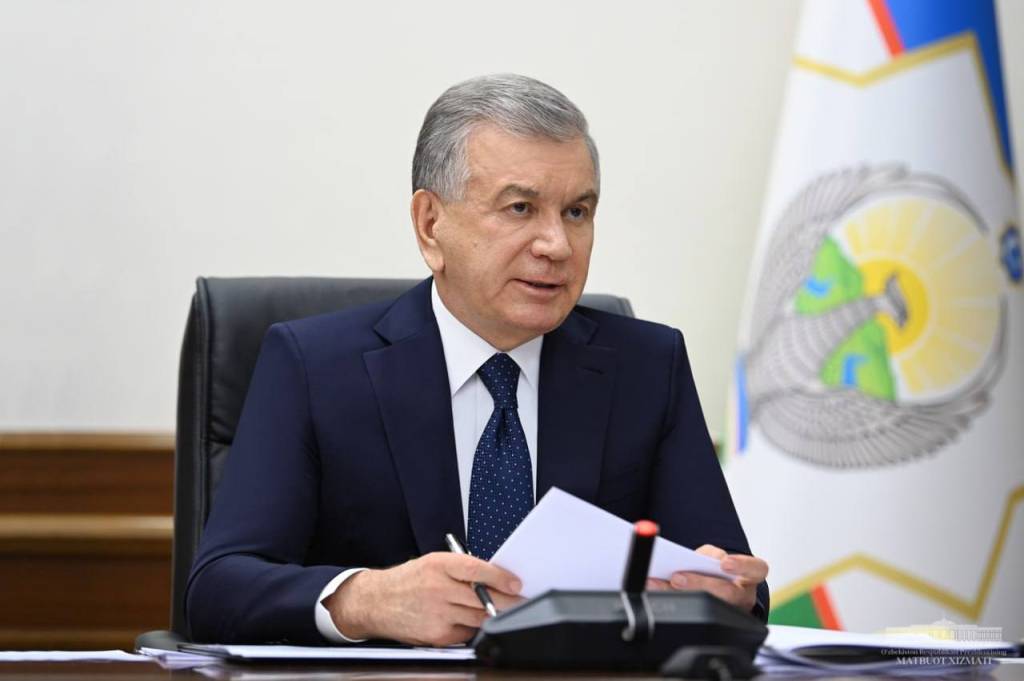
At a meeting chaired by President Shavkat Mirziyoyev, the progress of the projects in the hydropower sector was discussed. It was noted that the plan is to construct 20 small and micro-hydroelectric power plants in 2021 and 38 in 2024, but some of the projects are behind schedule. Regional hokims provided information on the upcoming launch of 20 stations this year.
Uzbekhydroenergo JSC plans to commission 7 large hydroelectric power stations with a total capacity of 197 megawatts. This would increase electricity generation to 7 billion kilowatt-hours. The Head of state also instructed specialists to look into additional reserves of 1,000 megawatts. For instance, by building cascades on the Norin River, it is possible to launch a capacity of 230 megawatts and generate enough electricity for 450,000 residents of Namangan city.
The meeting also focused on the progress of preparations for the autumn/winter season. Over the past five years, more than 4 trillion UZS have been allocated to modernize networks and transformers. This year, a large-scale program to modernize Tashkent’s energy infrastructure was launched.
In addition, a reserve of at least 10 billion UZS is formed in each region to conduct the season without losses. These funds will replace transformers, wiring, and other spare parts in case of accidents. However, 33,000 transformers and 122,000 kilometers of electrical networks in the regions are outdated. Over 9 months of this year, 12 percent of the total volume of electricity produced was lost. Therefore, it is crucial to update outdated transformers and networks to reduce electricity losses by 1-2 percent per year.
More than 100,000 wholesale consumers and 648,000 new households are not connected to the automated electricity metering and control system. The Head of state gave instructions to fill these gaps.
It was also noted that there are delays in the repair of boiler houses and heating networks in some regions. The state of preparation of social institutions for the autumn/winter season is unsatisfactory. The plan for updating boilers with high energy consumption has been completed by 62 percent in medical institutions, 54 percent in kindergartens, and 40 percent in schools.
The issue of coal supplies for the population’s needs and social institutions in the autumn/winter period was also raised. In this regard, the importance of creating additional reserves and attracting the private sector was noted.
Strict instructions were given to prevent illegal sales at inflated prices and theft of coal supplied for the population’s needs.
UzA