

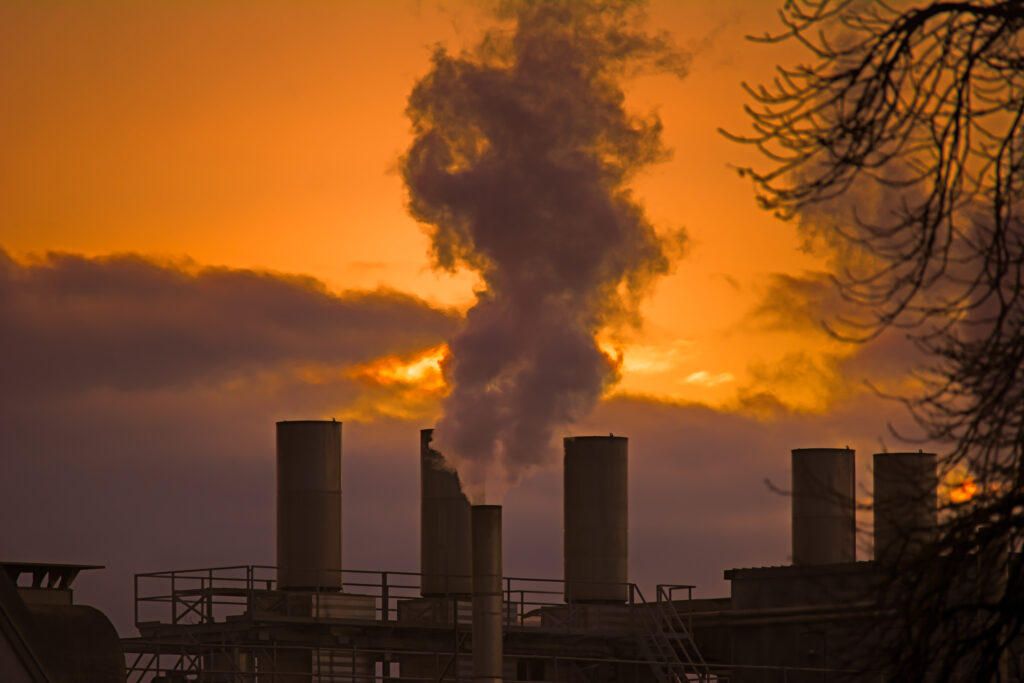
The global steel industry is entering a decisive decade. While many economies are accelerating investments in low-carbon manufacturing, India is moving in a different direction by rapidly expanding coal-based steel production capacity. The strategy reflects the country’s ambitions to strengthen industrial output, support infrastructure growth, and secure long-term economic competitiveness.
According to Global Energy Monitor, more than 300mn tonnes of new coal-based blast furnace capacity has already been announced or is currently under construction worldwide. This represents a 5% increase over the past year. In parallel, approximately 80mn tonnes of existing blast furnace capacity is being refurbished to extend operational life and improve production efficiency.
These developments significantly exceed the 141mn tonnes of blast furnace capacity expected to retire globally. As a result, the steel sector continues to move toward higher overall coal-based production capacity despite mounting international pressure to accelerate industrial decarbonisation.
The contradiction is becoming increasingly visible. Governments and corporations continue to announce ambitious climate targets, but industrial expansion strategies in many regions still depend heavily on traditional manufacturing technologies powered by coal.
India Becomes the Centre of Global Steel Growth
India is now the primary driver behind global blast furnace expansion. The country currently produces around 200mn tonnes of steel annually and aims to exceed 400mn tonnes by 2035. This target forms part of a broader national industrial strategy designed to strengthen manufacturing capacity, accelerate urbanisation, and improve export competitiveness.
India already ranks as the world’s second-largest steel producer after China. According to industry estimates, the country is responsible for roughly 60% of global blast furnace development projects currently planned or underway. At the same time, around 84% of its planned ironmaking capacity will rely on blast furnace technology, reinforcing coal’s central role in India’s industrial growth model.
This trend carries significant environmental implications. Blast furnace systems remain among the most carbon-intensive industrial technologies globally and account for nearly 88% of emissions generated during steel production. Overall, steel and iron manufacturing contribute approximately 11% of global carbon dioxide emissions and around 8% of total greenhouse gas emissions worldwide.
The scale of India’s expansion means the country will play a defining role in shaping the future emissions profile of the global steel industry over the next decade.
Green Steel Progress Continues — But Slowly
Despite these challenges, progress toward greener steel production continues across several major markets. Electric arc furnaces, which use electricity and recycled scrap steel instead of coking coal, continue gaining market share globally. According to recent industry data, electric arc furnace capacity increased from 31% of total global production in 2022 to 34% in 2025.
Large steelmakers are also investing in hydrogen-based production systems, carbon capture technologies, and renewable-powered manufacturing facilities. These initiatives aim to reduce dependence on coal and lower industrial emissions without compromising production capacity.
However, large-scale transformation remains expensive and operationally complex. Green steel projects require substantial capital investment, access to affordable renewable energy, reliable scrap supply chains, and advanced industrial infrastructure. For many developing economies, maintaining production scale and cost competitiveness remains a higher priority than accelerating decarbonisation timelines.
As a result, a structural divide is emerging within the global steel industry. Europe, Japan, and parts of North America are increasingly focused on emissions reduction and green industrial policy, while rapidly growing Asian economies continue expanding traditional steelmaking capacity to support domestic industrial demand.
Supply Chain Risks Increase Strategic Pressure
Recent geopolitical instability has added another layer of complexity to the sector’s transformation. Conflicts in the Gulf region and broader supply chain disruptions have already affected commodity markets and industrial production forecasts.
Fastmarkets recently reduced its global crude steel production forecast by 42.8mn tonnes due to supply disruptions linked to regional tensions. The adjustment highlights the growing importance of resilient industrial supply chains and stable access to energy resources.
For many governments, energy security and industrial independence are becoming equally important as climate commitments. Policymakers increasingly face difficult trade-offs between economic growth, manufacturing competitiveness, supply chain resilience, and emissions reduction objectives.
The Industry’s Defining Challenge
The steel sector now faces one of its most important strategic questions: can industrial growth and decarbonisation progress advance simultaneously?
Global demand for steel is expected to remain strong for decades. Infrastructure expansion, renewable energy projects, electric vehicle manufacturing, and urban construction all depend heavily on steel-intensive supply chains. At the same time, pressure from regulators, investors, and consumers continues to accelerate the push toward lower-carbon industrial production.
India’s expansion plans illustrate the complexity of this transition. The country’s strategy reflects the priorities of many developing economies seeking rapid industrialisation, economic resilience, and long-term manufacturing leadership.
The outcome of this transformation will influence not only the future structure of global manufacturing, but also the credibility of international climate targets during the next decade.