

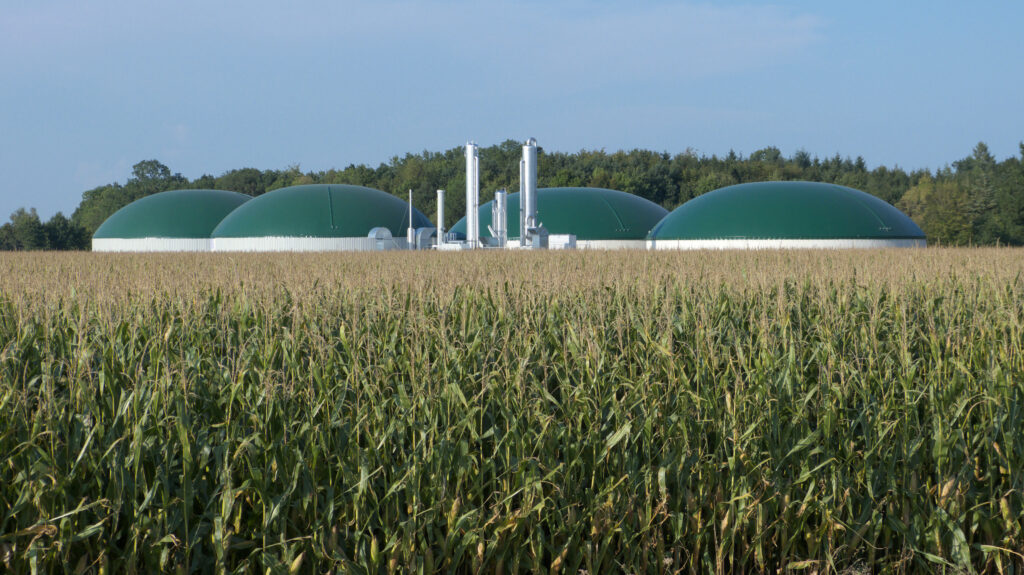
The sharp rise in oil prices caused by the conflict involving Iran is reshaping expectations across global commodity markets. Oil has moved from around $72 per barrel to more than $100, creating renewed concerns about energy security, transport costs and inflation. For governments and businesses, this is no longer only an oil market issue. It is becoming a broader challenge for agriculture, food production, fertiliser supply and industrial planning.
Investors are already reacting to this shift. Hedge funds have significantly increased their exposure to agricultural commodities used in biofuel production. Net bets on soyabean oil, a key feedstock for biodiesel, have almost tripled since the start of the conflict. In corn, which is widely used to produce ethanol, funds have moved from negative positions to their highest positive level this year. This shows that many market participants expect high energy prices to support demand for alternative fuel sources.
Agriculture Is Becoming a Proxy for Energy Risk
Agricultural commodities are increasingly influenced by fuel markets. Corn is no longer viewed only as a food and feed crop. In the United States, around 40% of corn demand is linked to ethanol production, making it highly exposed to changes in gasoline and energy policy. Vegetable oils such as soyabean oil, canola and rapeseed are also becoming important inputs for biodiesel production.
This connection explains why agricultural markets are attracting more attention during the oil shock. Corn prices have risen by around 6%, while soyabean oil has increased by about 23%. The stronger movement in soyabean oil reflects its direct role in biodiesel and its sensitivity to fuel substitution trends. If oil prices remain elevated, demand for biofuel feedstocks may continue to rise, especially in countries seeking to reduce dependence on imported hydrocarbons.
For businesses, this creates a more complex market environment. Food producers, livestock companies, logistics operators and industrial buyers may all face higher costs if agricultural commodities become more closely tied to energy prices. A price increase in oil can quickly influence fertiliser, transport, processing and food costs. As a result, companies need to analyse commodity exposure across several connected markets rather than treating each input separately.
Fertiliser Supply Adds Another Layer of Pressure
The situation is further complicated by disruptions around the Strait of Hormuz. Before the conflict, this route handled up to one-third of globally traded nitrogen fertiliser exports. Its near closure has placed pressure on fertiliser availability at a time when fuel costs are also rising. Reduced gas flows are adding to the challenge, as natural gas is a critical input for fertiliser production in many regions.
Higher fertiliser prices can have a delayed but serious effect on agricultural markets. Farmers may face increased production costs, which can reduce margins and influence planting decisions. If fertiliser becomes too expensive or difficult to access, future crop yields may be affected. This risk is especially important for import-dependent markets, where food prices are already sensitive to currency movements, logistics costs and global supply disruptions.
Fuel shortages also increase the cost of farming and food distribution. Modern agriculture depends heavily on diesel, electricity and chemical inputs. Harvesting, irrigation, storage, processing and transport all become more expensive when energy prices rise. This means that an oil shock can gradually move through the entire food value chain, affecting both producers and consumers.
Asia’s Biofuel Strategy Gains Importance
The biofuel trend is particularly important for Asia, where many economies remain exposed to imported energy. Governments are seeking ways to improve energy resilience, and domestic biofuel production is becoming one possible solution. Biofuels can support local agriculture, reduce exposure to vulnerable oil supply routes and create new opportunities for industrial development.
Indonesia is preparing to introduce a 50% biodiesel blend requirement from July, which would significantly increase demand for vegetable oils. Malaysia is also discussing whether to expand its biodiesel blending requirements beyond the current B10 programme. These policies show that biofuels are becoming part of a broader energy security strategy in the region.
However, higher biofuel demand also creates trade-offs. When more crops are used for fuel, less supply may be available for food and feed markets. This can increase price pressure, especially if fertiliser costs remain high or harvest conditions weaken. For governments, the challenge is to balance energy security with food affordability. For companies, the challenge is to understand how policy changes, commodity prices and supply chain risks interact.
Strategic Planning Requires Cross-Market Analysis
The current market response shows how quickly risk can move from one sector to another. A disruption in oil supply can affect fuel prices. Higher fuel prices can increase demand for biofuels. Stronger biofuel demand can support corn and vegetable oil prices. At the same time, fertiliser shortages can increase agricultural production costs and raise the risk of food inflation.
This chain reaction is important for investors, industrial companies and policymakers. Direct exposure to oil and gas can be difficult to manage because prices may move sharply in response to military escalation or negotiations. Agricultural commodities offer another way to position for the effects of high energy prices, but they also carry their own risks related to weather, policy and food demand.
For business leaders, the main lesson is clear. Commodity markets should not be analysed in isolation. Energy, agriculture, fertiliser, logistics and food prices are now deeply connected. Companies that understand these links early will be better prepared to manage procurement, pricing, investment and regional development strategies.
Biofuels may not replace oil in the near term, but they are becoming more important in the global energy security discussion. As geopolitical risk continues to influence commodity markets, corn, soyabean oil and fertiliser may become key indicators for understanding the next stage of energy and food market pressure.