

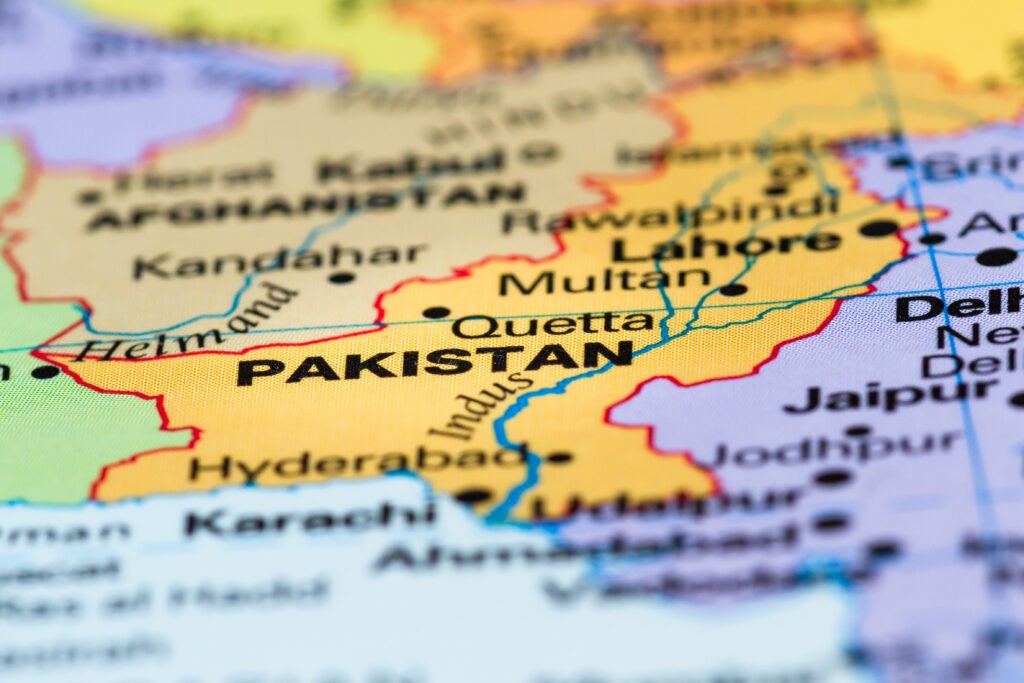
Pakistan’s economy is facing renewed pressure at a time when recent stabilisation gains remain fragile. External risks, weak investment inflows, and structural dependence on imports continue to limit the country’s growth outlook. Although policy measures have helped reduce immediate macroeconomic stress, the broader economic model still requires deeper transformation.
External Risks Are Rising
Geopolitical tensions in the Middle East have increased uncertainty for Pakistan’s external sector. Any disruption to regional trade routes or energy markets can quickly affect the country’s import bill, inflation outlook, and foreign exchange reserves. This is especially important because Pakistan remains highly dependent on imported energy, making its economy sensitive to global oil and gas price movements.
These risks come alongside weaker foreign investment performance. According to recent State Bank of Pakistan figures, Foreign Direct Investment fell by 31% during the first 10 months of FY2026. Pakistan attracted $1.409 billion between July and April, compared with $2.035 billion during the same period a year earlier. Total foreign investment also declined sharply to $31.7 million, compared with $1.46 billion previously.
Investor Confidence Remains Fragile
The decline in investment reflects more than short-term market caution. It points to deeper concerns about policy consistency, governance quality, and long-term economic predictability. For international investors, macroeconomic stabilisation is important, but it is not enough. Capital usually follows markets where regulation is clear, institutions are stable, and growth sectors are well supported.
China remains a central economic partner for Pakistan in this challenging environment. In April, Chinese inflows reached $61 million, exceeding total net FDI from all other countries combined for the month. Over the first 10 months of FY2026, China contributed around $740 million, representing more than half of Pakistan’s total foreign investment. Although this was lower than the previous year’s level of over $1 billion, China continues to provide a critical source of external support.
Financing Needs Are Still High
Pakistan’s first Panda bond issuance in China’s domestic capital market also shows the importance of diversified financing. The country raised $250 million at a fixed interest rate of 2.5%, creating an additional funding channel at a time when external financing remains essential. This step may help reduce dependence on traditional lenders, but it does not remove the need for stronger domestic reforms.
Stabilisation measures have provided short-term relief, especially in areas such as inflation management and fiscal discipline. However, Pakistan still faces persistent structural barriers. The economy remains constrained by low export diversification, weak industrial productivity, limited tax collection, high energy dependence, and inconsistent policy execution. These issues make growth vulnerable to external shocks and restrict the country’s ability to compete with faster-growing Asian markets.
Reform Must Go Beyond Crisis Management
Pakistan’s long-term resilience will depend on whether it can shift from repeated crisis management to structured economic transformation. This means expanding exports, modernising industry, improving energy security, strengthening institutions, and creating a more predictable business environment. Without these changes, periods of stability may remain temporary.
The country has important advantages, including a large domestic market, strategic geography, and strong regional connectivity potential. Yet these strengths must be supported by credible reforms. Sustainable growth will require clear industrial priorities, stronger investor protection, better fiscal capacity, and greater integration into regional and global value chains.
Pakistan’s current situation is a reminder that stabilisation is only the first step. The real test is whether the country can convert short-term economic relief into long-term competitiveness, investment growth, and structural resilience.