

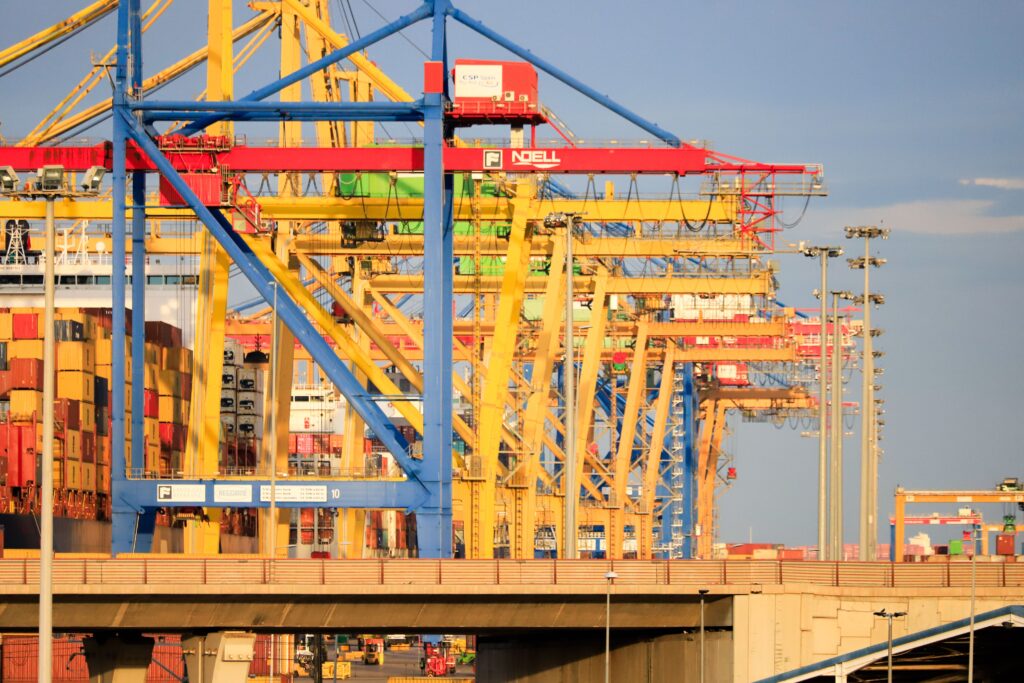
Gwadar Port is experiencing a sharp and unusual increase in activity in April 2026. Two cargo vessels recently arrived carrying 368.7 tons of machinery and general goods, along with 5,000 metric tons of fertilizer. Earlier in the month, another vessel delivered more than 14,000 metric tons of transshipment cargo. By late April, the port had already handled around 11,000 standard shipping containers, exceeding its total volume of approximately 8,300 containers for the entire year of 2025.
This rapid growth marks a significant shift for a port that has historically seen limited traffic, often receiving fewer than 20 ships annually. While some analysts interpret this surge as a potential breakthrough, the underlying drivers suggest that this momentum is largely shaped by external disruptions rather than sustained commercial demand.
The Strait of Hormuz Disruption Effect
The primary catalyst behind this surge is the ongoing disruption in the Strait of Hormuz. This narrow waterway handles nearly 20% of global oil and liquefied natural gas flows, making it one of the most critical energy chokepoints in the world. Recent geopolitical tensions, including conflict involving Iran, have led to repeated closures, blockades, and heightened security risks in the region.
These disruptions have significantly impacted global shipping operations. Insurance premiums have increased, transit times have become less predictable, and the overall risk profile for vessels has risen. As a result, many shipping operators are avoiding the strait when possible, while those already in transit are forced to seek alternative solutions for temporary docking and cargo handling.
Gwadar’s Strategic Positioning
Gwadar Port has emerged as a practical solution in this environment. Its proximity to the Strait of Hormuz, combined with its relative distance from the immediate conflict zone, makes it an attractive option for vessels seeking safety and operational flexibility. The port’s deep-water capacity allows it to handle large cargo ships, while its infrastructure supports transshipment and temporary storage.
Currently, Gwadar is functioning less as a destination port and more as a logistical buffer. Cargo arriving at the port is typically offloaded, stored for short periods, and then reloaded onto other vessels once conditions improve. The availability of free storage for up to one month has further strengthened its role as a temporary hub during this period of uncertainty.
Untapped Potential Meets Reality
Despite its strategic advantages and years of investment, including significant support from China, Gwadar has remained underutilized for much of the past two decades. The port is designed to handle around 16,000 containers and offers more than 90,000 square meters of storage capacity for general cargo.
The current surge in activity demonstrates that the infrastructure is capable of supporting higher volumes. However, it also highlights a key limitation. The majority of current cargo flows are not tied to stable trade routes or long-term commercial demand. Instead, they reflect short-term logistical needs driven by geopolitical instability.
Pakistan’s Geopolitical Balancing Act
Pakistan’s broader geopolitical position is also influencing Gwadar’s current relevance. The country has positioned itself as a mediator in regional tensions while managing its own economic vulnerabilities. Its heavy reliance on energy imports passing through the Strait of Hormuz makes stability in the region a critical priority.
At the same time, Pakistan has secured short-term financial support, including $2 billion from Saudi Arabia and an additional $3 billion in pledged assistance. These inflows provide temporary relief to foreign exchange reserves but do not address deeper structural challenges.
Pakistan also shares a nearly 900-kilometer border with Iran, exposing it to potential spillover effects from regional instability. Disruptions could impact energy supplies, cross-border trade, and economic activity in Balochistan, further underlining the risks associated with prolonged conflict.
From Temporary Relevance to Long-Term Strategy
Gwadar’s recent performance highlights its operational potential and growing visibility within regional logistics networks. It shows that the port can play a meaningful role during periods of supply chain disruption and geopolitical stress.
However, the key question remains unresolved. Can Gwadar convert this temporary surge into sustainable growth?
Achieving this will require more than favorable geography or crisis-driven demand. The port must attract consistent cargo flows, improve inland connectivity, enhance operational efficiency, and integrate more deeply into regional and global trade systems.
Stability as the True Growth Driver
A port’s long-term success depends on stability, predictability, and trust. While Gwadar is gaining attention today, its current momentum is largely dependent on external shocks. This makes its growth fragile and uncertain.
The real opportunity lies in transforming short-term visibility into long-term commercial credibility. For Gwadar, this means shifting from a crisis-driven logistics buffer to a reliable and competitive trade hub.
Until then, its growth story remains incomplete.